
The Art of Website Design: Creating Engaging Online Experiences
Creating a website that captivates and engages users in the ever-evolving digital landscape is crucial for any business or individual seeking a strong online presence. The art of website design is not just about aesthetics; it’s about crafting an experience that resonates with visitors and encourages them to interact with your content.
This article explores the key elements of creating engaging online experiences through effective website design.
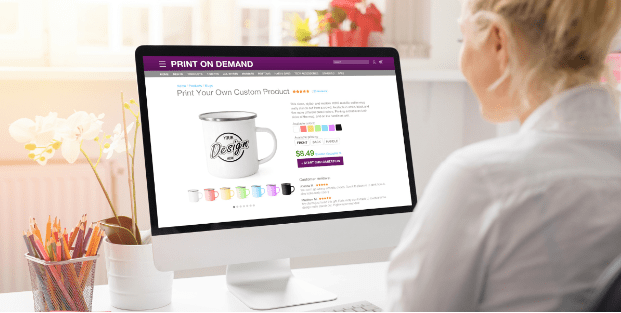
Understanding The Importance Of Website Design
Website design is more than just how your site looks; it’s about how it works. A well-designed website combines form and function seamlessly to provide an intuitive and enjoyable user experience. Here’s why website design matters:
- First Impressions Matter: Your website’s design is often the first interaction potential customers have with your brand. A professional and aesthetically pleasing design can build trust and encourage users to stay longer.
- User Experience (UX): Good design improves usability, making it easier for visitors to find the necessary information and complete desired actions.
- SEO Benefits: Well-designed websites are easier to navigate and more likely to keep users engaged, which can reduce bounce rates and improve search engine rankings.
Key Elements Of Engaging Website Design
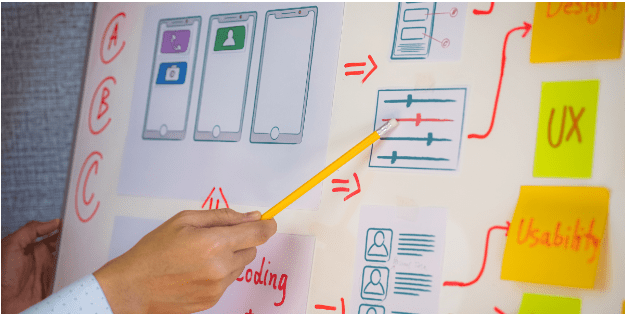
1. Responsive Design
In today’s multi-device world, responsive design is non-negotiable. Your website should provide an optimal viewing experience across various devices, from desktops to smartphones. This involves:
- Flexible grids and layouts: Using CSS to create a fluid grid system that adjusts to different screen sizes.
- Media queries: Applying different styling rules based on device characteristics.
- Scalable images and media: Ensuring all media adjusts seamlessly to different screen resolutions.
2. Intuitive Navigation
Effective navigation helps users find what they’re looking for quickly and easily. Key principles include:
- Simplified menus: Keep your navigation menu straightforward and uncluttered.
- Consistent layout: Use a consistent layout for menus and links throughout the site.
- Search functionality: Include a search bar to help users locate specific content quickly.
3. Visual Hierarchy
Visual hierarchy is about guiding the user’s eye to the most important elements first. This can be achieved through:
- Size and scale: Larger elements naturally draw more attention.
- Color and contrast: Use contrasting colors to highlight key areas.
- Whitespace: Incorporate ample whitespace to avoid clutter and focus attention on specific elements.
4. Engaging Content
Content is king, and engaging content is essential for keeping users on your site. Tips for creating compelling content include:
- High-quality images and videos: Use professional-grade visuals to enhance your content.
- Readable typography: Choose fonts that are easily read and consistent with your brand identity.
- Interactive elements: Incorporate interactive features like quizzes, polls, and slideshows to engage users.
5. Fast Loading Times
Website speed is crucial for user experience and SEO. Strategies to improve loading times include:
- Optimizing images: Compress images without sacrificing quality.
- Minimizing HTTP requests: Reduce the number of elements on each page to minimize requests.
- Using a Content Delivery Network (CDN): Distribute your content across multiple servers to reduce load times.
Enhancing User Experience (UX)
User experience is at the heart of engaging website design. It encompasses all aspects of the user’s interaction with your site. Here are some best practices to enhance UX:
1. User-Centric Design
Focus on your users’ needs and preferences. Conduct user research and usability testing to understand their behaviors and preferences.
2. Clear Calls to Action (CTAs)
CTAs guide users toward desired actions. Make them prominent, concise, and compelling. Examples include:
- Sign up: Encourage newsletter subscriptions.
- Buy now: Promote product purchases.
- Learn more: Drive deeper engagement with additional content.
3. Accessibility
Ensure your website is accessible to all users, including those with disabilities. This includes:
- Alt text for images: Provide descriptive text for images.
- Keyboard navigation: Ensure all functionality is accessible via the keyboard.
- Readable content: Use clear, simple language and high contrast between text and background.
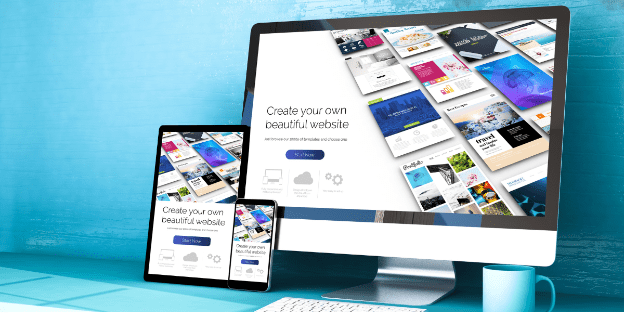
Elevate Your Online Presence With Engaging Website Design
Creating engaging online experiences through effective website design is an art that combines aesthetics, functionality, and user-centered principles. By focusing on responsive design, intuitive navigation, visual hierarchy, engaging content, and fast loading times, you can create a website that attracts visitors and keeps them returning.
At Mr. Green Marketing, we specialize in helping businesses craft beautiful, user-friendly websites that engage and convert. Ready to elevate your online presence? Visit Mr. Green Marketing today and discover how we can help you create an engaging online experience for your audience.
Leave a Comment
sing in to post your comment or sign-up if you dont have any account.